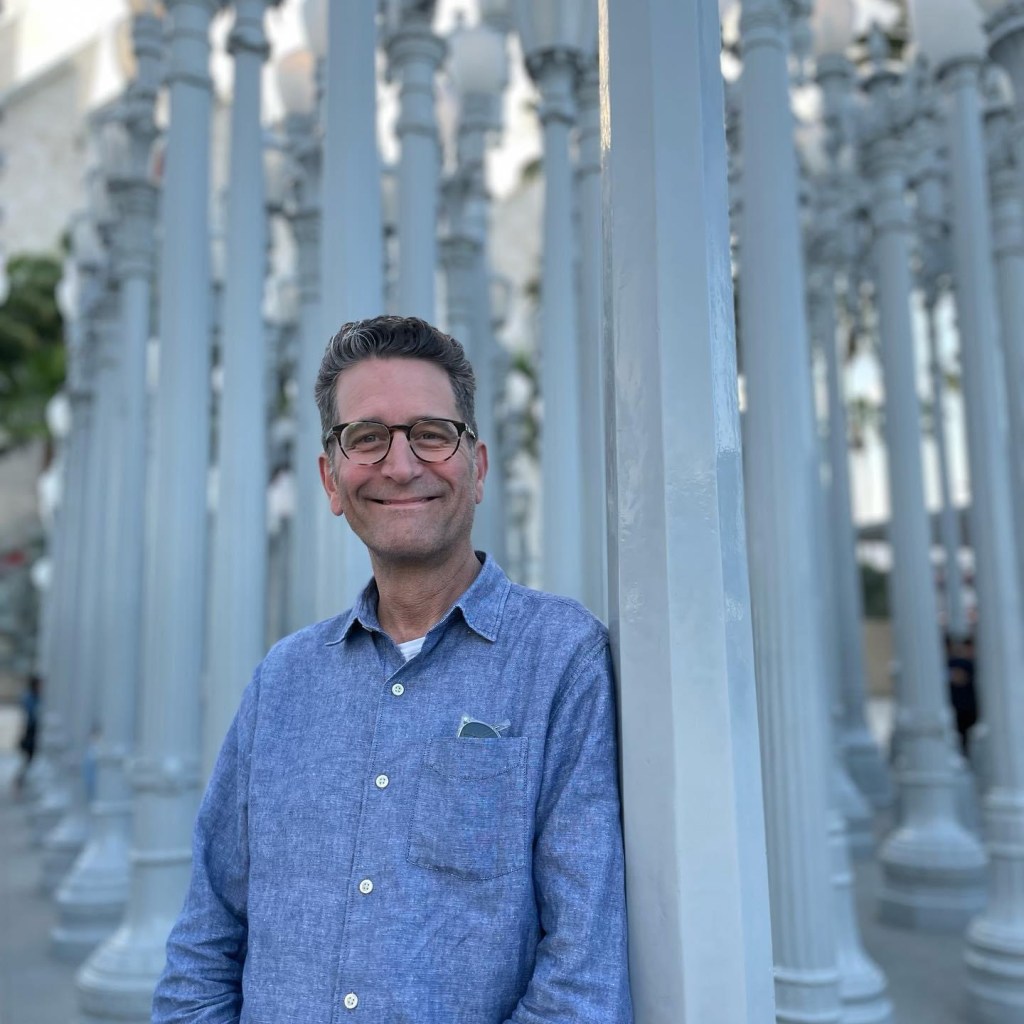
For nearly 30 years, Steve Boyd has shaped exhibitions in central Oklahoma. He’s worked with artists from Howard Terpenning to Ed Ruscha; taught best practices to interns, art handlers, statewide colleagues and even a construction company; and influenced how Oklahomans see both Western and contemporary art.
Steve’s museum career began at the Oklahoma Museum of Art in 1985, working with Director Don Finch on projects of all kinds — some so engaging that he chose to major in art history/museum studies at UCO. After graduation and a job in design and installation for the retail sector, Steve returned to museum work in 1995, managing the gift shop at the National Cowboy & Western Heritage Museum. Finch again recruited him, offering him the position of assistant registrar at the (then) Air and Space Museum at the Omniplex, but the Cowboy valued Steve’s expertise and countered, naming him their assistant registrar. Steve stayed at the Cowboy for 16 years, moving from assistant registrar to exhibit technician and finally chief preparator.
While at the Cowboy, he learned exhibition logistics through the role of registrar. Just as importantly, he was also able to apply his deep craftsman skills and background in 3-D design/fabrication to mountmaking and exhibition design. He thrived at the world-class museum, applying best practices with other dedicated professionals. He continued to train in museum trends and methodologies, including taking a series of classes at the International Preservation Studies Center. He then applied these skills to the mounts in the Cowboy’s newly redesigned Native American gallery. And he shared his growing expertise with other professionals, including as co-instructor for an Oklahoma Museum Association class on mountmaking.
He also got to work with some of Western art’s all-stars, like Wilson Hurley, Gerald Balciar and a roster of important Native American artists in the museum’s Silberman Collection, which contains more than 2,500 works from nearly 200 Native American artists representing 55 different cultural and tribal backgrounds.
Across a decade and a half, Steve mentored several interns who went on to become art professionals, including museum directors in and out of state. He also mentored and provided regular training to contract art handlers — everything from proper care and handling of artwork and objects to acclimating crates, condition reporting and monitoring light levels.
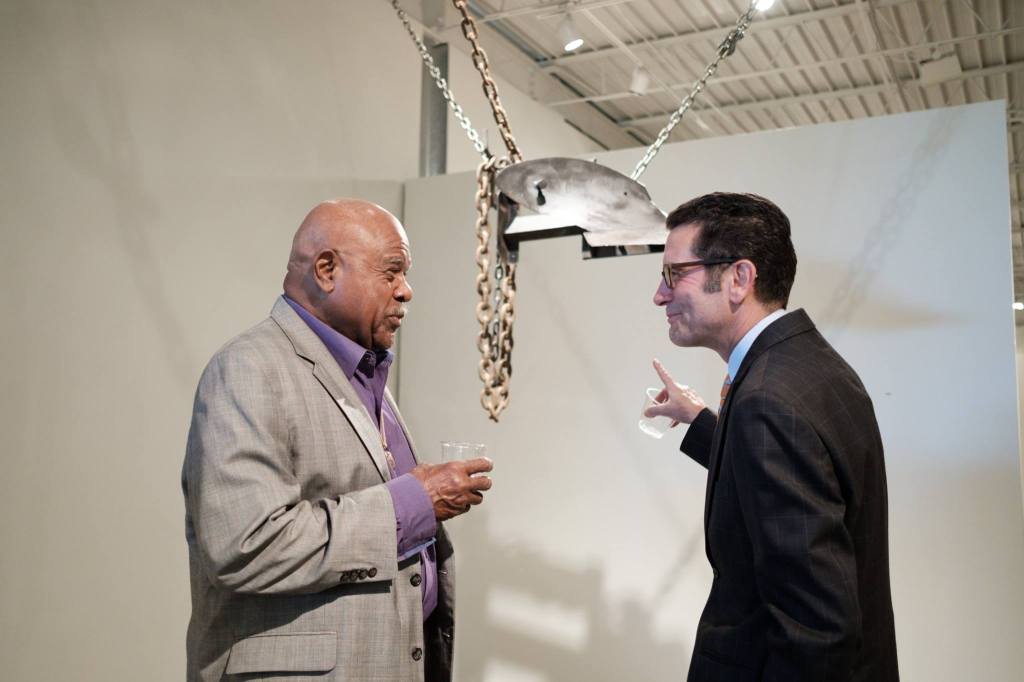
In 2012, he accepted a dual position, exhibitions manager for both Oklahoma Contemporary and Marfa Contemporary, until the latter (a satellite) closed in 2018. Steve was hired to help take Oklahoma Contemporary from a community art center to an international contemporary art museum, implementing best practices and crafting policies that meet American Alliance for Museum guidelines and standards. Under his guidance, Oklahoma Contemporary quickly grew the status of our exhibitions. Steve worked directly with contemporary artists of all kinds, from gathering a literal ton of scrap metal with world-renowned sculptor Mel Edwards to wheatpasting massive portraits with installation artist and cultural worker Tatyana Fazlalizadeh.
From submitting designs to the city to painting 1.4 million feet of lobster rope, Steve shepherded every aspect of Orly Genger’s Terra, one of the first large-scale public art partnerships with the City of Oklahoma City and the Oklahoma City Community Foundation. He oversaw more than a half a dozen public works from notable artists in Campbell Art Park, putting together Tomas Saraceno’s 3-D puzzle in Cloud City, enabling AI to light Auto Alley with Erwin Redl and, most recently, using a crane to freeze Gonzalo Lebrjia’s Plymouth Duster above a pool of water. Steve’s training of Smith and Pickel Construction, who’ve helped with the installation of several of Oklahoma Contemporary’s public works, has led to the company serving as installation contractors in several large public art projects across the city.
Steve was an integral part of the team that moved Oklahoma Contemporary from the Oklahoma State Fairgrounds to downtown Oklahoma City. He helped design spaces related to the care and preservation of artworks in the new building, including the loading dock, art storage, the art (i.e. freight) elevator, and lighting and HVAC systems. He also helped plan the construction of our gallery spaces, down to the placement of outlets and the type of lighting.
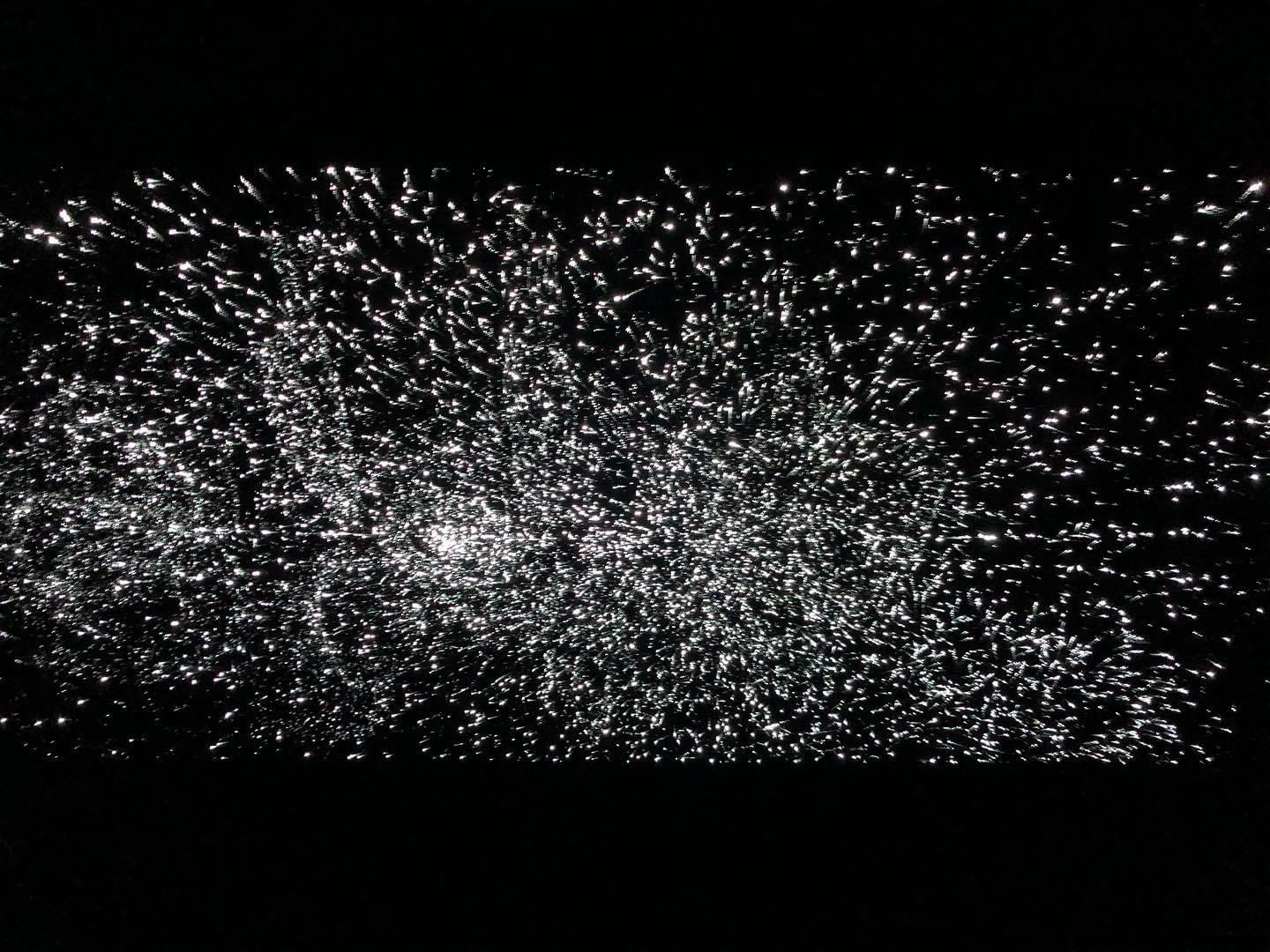
He worked with acclaimed architecture firm Chu-Gooding to design Bright Golden Haze, the first exhibition in our new space. It was an engineering challenge, requiring brightly lit white “rooms,” massive screen projections and intimate, dark corners. Each piece needed to command its own space, and even though the theme was light, works needed to not outshine one another. The execution was masterful.
Oklahoma Contemporary is the only cultural institution in the state to focus solely on contemporary art and the artists of our time. Steve helped to bring the exhibitions of an incredibly diverse group of artists to life, and, to a person, those artists speak fondly and with great respect about working with our exhibitions manager.
Those sentiments ring just as true across the Oklahoma City art community. Steve is a member of Midtown Rotary, which has its service rooted in the arts. He has volunteered for Oklahoma Visual Arts Coalition, Arts Council Oklahoma City and Allied Arts.
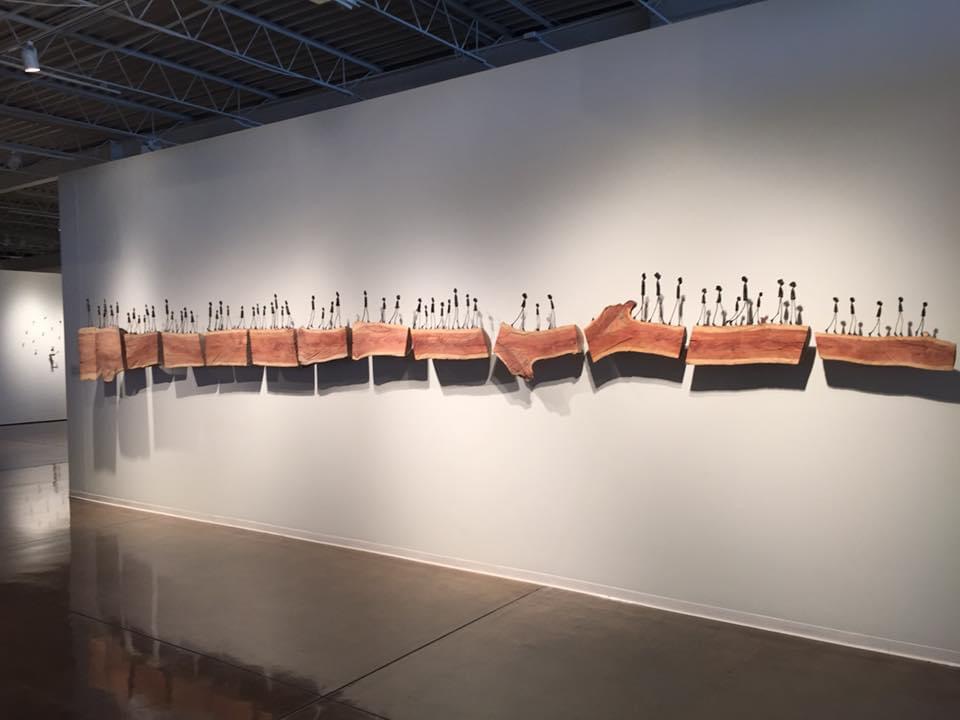
Through Prairie Fine Arts Services, Steve applies his museum-quality practices throughout the region, helping local individuals and businesses move their art collections, install artwork, promote local artists, and more. One example: He selects and installs artwork by Oklahoma artists at Fulmer Sill Law Group. Drop by their offices to see not only his skills in exhibition design, but also in curation.
Need skills in arts consulting, installation, management, and preservation? Or exhibition curation, design, and fabrication? Contact us: (405) 650 7330 or wsteveboyd@gmail.com.


 Prairie Fine Arts Services